
XIAMEN ACEY NEW ENERGY TECHNOLOGY CO., LTD.

Categorie
Nuovo blog
Di cosa è fatta una batteria per veicoli elettrici?
May 22 , 2026
Le batterie di potenza fungono da fonte di energia per i veicoli elettrici (EV). Un sistema di batterie di potenza è generalmente suddiviso in tre livelli: il pacco batterie, i moduli e le celle.
1. Pacco batterie
Il pacco batterie è tipicamente composto da moduli batteria, un sistema di gestione termica, un sistema di gestione della batteria (BMS), sistemi elettrici e componenti strutturali.
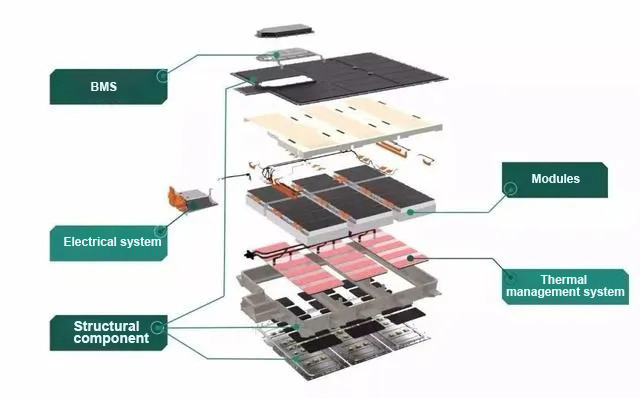
Un modulo batteria può essere inteso come un prodotto intermedio tra le celle e il pacco batteria, formato dalla combinazione di celle agli ioni di litio in configurazioni in serie e in parallelo e dall'aggiunta di dispositivi individuali di monitoraggio e gestione delle celle. La sua struttura deve supportare, fissare e proteggere le celle.
I suoi componenti fondamentali includono:
Lo scopo della progettazione dei moduli è quello di facilitare la gestione delle celle da parte del BMS, migliorare la sicurezza della batteria e semplificare la manutenzione e la riparazione, un po' come dividere un paese in diverse province per una più agevole amministrazione.
3. Cell
Una cella è composta principalmente da un elettrodo positivo (catodo), un elettrodo negativo (anodo), un separatore e un elettrolita. Il suo principio di funzionamento principale si basa sulla migrazione degli ioni di litio tra gli elettrodi positivo e negativo per realizzare i processi di carica e scarica.
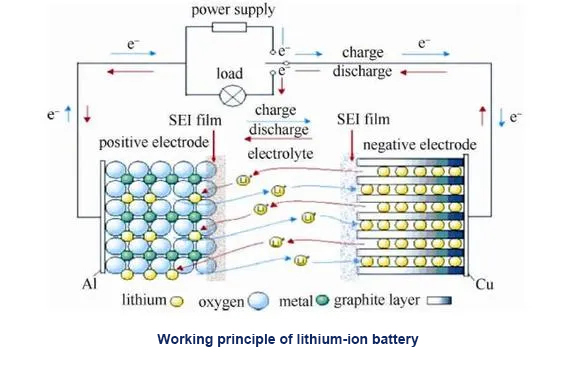
Le batterie agli ioni di litio per veicoli elettrici si classificano principalmente in tre categorie in base ai loro sistemi di materiali: ossido di litio-manganese (LMO), materiali ternari (NCM/NCA) e fosfato di ferro-litio (LFP).
| Materiale della batteria | Prezzo del materiale (per tonnellata) | Ciclo di vita | Prestazioni di archiviazione (degrado mensile) |
| Ossido di litio e manganese (LMO) | 50.000 – 60.000 RMB | ≥ 300 volte | Peggiore (>5% di degrado) |
| Litio ternario (NCM/NCA) | 160.000 – 200.000 RMB | ≥ 600 volte | Ottimale (degrado dell'1% - 2%) |
| Fosfato di litio e ferro (LFP) | 150.000 – 180.000 RMB | Migliore (≥ 1.500 volte) | Medio (3% di degradazione) |
Sicurezza, stabilità e prestazioni a basse temperature sono indicatori fondamentali per la valutazione completa delle prestazioni delle batterie agli ioni di litio.
L'LMO presenta scarse prestazioni alle alte temperature, scarsa stabilità ciclica e caratteristiche di conservazione limitate. Il manganese tende a dissolversi/dissociarsi ad alte temperature, con conseguente breve durata del pacco batteria e scarsa conservabilità.
Le batterie ternarie offrono prestazioni bilanciate a temperature elevate/basse, cicli di carica/scarica, sicurezza, stoccaggio e vari parametri elettrici. Sono caratterizzate da un'elevata densità energetica volumetrica, costi dei materiali moderati e prestazioni stabili. A seconda del rapporto tra nichel, cobalto e manganese, i sistemi a celle ternarie includono serie come NCM532 e NCM811. Il sistema 811 ha riscosso un notevole successo negli ultimi anni. Una maggiore percentuale di nichel aumenta la densità energetica della batteria, ma di contro rende la batteria meno stabile. Pertanto, la progettazione delle batterie di potenza è un continuo esercizio di equilibrio, in cui si cerca di conciliare praticità e sicurezza.
L'elettrodo positivo di una batteria al litio è costituito rivestendo un foglio di alluminio (il collettore di corrente) con il materiale attivo positivo (come LFP o NCM), mentre l'elettrodo negativo è costituito rivestendo un foglio di rame (il collettore di corrente) con il materiale attivo negativo (come grafite o LTO).
Generalmente, le batterie prendono il nome dal materiale del loro elettrodo positivo, motivo per cui sono comunemente chiamate batterie ternarie o al litio ferro fosfato. Tuttavia, le batterie al titanato di litio (LTO) rappresentano un'eccezione, poiché l'LTO è il materiale dell'elettrodo negativo, rendendo questo un caso unico di batteria che prende il nome dal materiale del suo elettrodo negativo.
Quando si consulta la letteratura scientifica straniera, è frequente trovare autori che si riferiscono al materiale dell'elettrodo positivo come catodo e al materiale dell'elettrodo negativo come anodo. Inizialmente, ciò può generare confusione, poiché l'elettrochimica standard definisce l'elettrodo in cui avviene la riduzione come catodo e quello in cui avviene l'ossidazione come anodo, il che significa che la denominazione si inverte quando la batteria passa dalla modalità di carica a quella di scarica. Col tempo, diventa chiaro che questa definizione si basa sullo stato della batteria in assenza di influenze energetiche esterne; pertanto, il catodo e l'anodo della batteria sono determinati specificamente dagli stati di reazione durante la scarica.
Analisi del degrado della batteria
Il degrado della batteria può essere analizzato da due prospettive principali: il degrado delle prestazioni e il degrado della sicurezza.
1) Degrado delle prestazioni: Dopo un certo periodo di utilizzo, i veicoli elettrici subiscono una diminuzione dell'autonomia e si può notare anche un calo delle prestazioni di accelerazione. Questo può essere analizzato principalmente attraverso il decadimento della capacità, l'aumento della resistenza interna (IR) e l'aumento dei tassi di autoscarica.
2) Degrado della sicurezza: Il degrado della sicurezza è relativamente più difficile da rilevare. La batteria potrebbe aver già subito una deformazione fisica/meccanica, la probabilità di un cortocircuito interno (ISC) potrebbe essere aumentata o potrebbe esserci un rischio di perdita di elettrolita. Pertanto, per comprendere appieno il processo di degrado della batteria, i passaggi successivi prevedono l'analisi di cosa innesca la riduzione della capacità, quali fattori causano l'aumento della resistenza interna, come si verifica la deformazione della batteria e quali meccanismi portano ai cortocircuiti interni.
Sicurezza comparata e tendenze di mercato
In termini di sicurezza, le batterie al litio-ossido di manganese (LMO) offrono prestazioni nettamente superiori rispetto alle batterie ternarie. Ad esempio, alcuni produttori nazionali utilizzano attualmente l'LMO modificato di Xinzheng (LMA-30) per produrre celle singole da 90 Ah, tutte in grado di superare l'intera serie di test di sicurezza presso l'Istituto 201. Al contrario, per i materiali ternari, anche le celle singole da 20 Ah prodotte in Cina faticano a superare il test di penetrazione con un chiodo. Questa differenza è fondamentalmente determinata dalla stabilità strutturale dei materiali; la struttura cristallina dell'LMO è intrinsecamente più stabile di quella dei materiali ternari.
Inoltre, i materiali LMO hanno alle spalle un periodo di sviluppo più lungo e possiedono un livello di maturità tecnologica molto più elevato. Il già citato LMA-30 utilizza il drogaggio/la modifica con alluminio (Al) per migliorare le prestazioni dell'LMO; non si possono escludere opzioni ternarie modificate simili per il futuro. Inoltre, a causa di problemi di compatibilità con l'elettrolita, i materiali ternari sono più inclini alla generazione di gas (gassamento) rispetto all'LMO, il che rappresenta un'ulteriore ragione per cui la sicurezza delle batterie ternarie è inferiore a quella dell'LMO.
Tuttavia, la densità energetica dei materiali ternari è sostanzialmente superiore a quella dell'LMO. Di conseguenza, i prodotti per batterie di potenza più avanzati attualmente prodotti in Giappone e Corea del Sud utilizzano principalmente LMO miscelato con una certa percentuale di materiali ternari. Questo approccio garantisce la sicurezza e al contempo aumenta la densità energetica, rappresentando una tendenza chiave per lo sviluppo futuro delle batterie di potenza per veicoli elettrici.
Strutture cellulari
Le cellule vengono classificate in tre tipi in base alla loro struttura: cilindriche, a sacchetto e prismatiche.
4. Sistema di gestione della batteria (BMS)
Sistema di gestione della batteria
per batteria agli ioni di litio
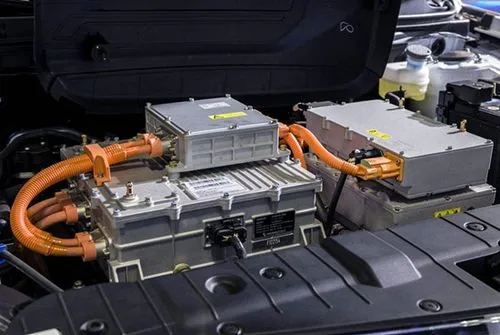
È un sistema di controllo e monitoraggio progettato per gestire le prestazioni e la sicurezza della batteria. Acquisendo e calcolando parametri critici come tensione, corrente, temperatura e stato di carica (SOC), il BMS regola i processi di carica e scarica, protegge la batteria da condizioni operative anomale e, di conseguenza, ne migliora le prestazioni complessive e la durata del ciclo di vita. Funge da collegamento di comunicazione e controllo vitale tra la batteria di trazione di bordo e il veicolo elettrico.
Tre funzioni principali del BMS:
L'analisi dei rischi durante lo sviluppo del BMS identifica rischi quali sovratensione (sovraccarico), sottotensione, sovratemperatura e sovracorrente. Il sovraccarico prolungato è particolarmente grave e può causare danni irreversibili, deformazioni o perdite. Il meccanismo di sicurezza deve rilevare immediatamente il sovraccarico e mitigare guasti singoli o latenti.
5. Tendenze nello sviluppo delle batterie
5.1 Batterie senza cobalto
Le batterie ternarie al litio richiedono cobalto per stabilizzare la loro struttura a strati e migliorare la durata del ciclo di vita. Tuttavia, i prezzi del cobalto fluttuano notevolmente e oltre la metà dell'offerta globale è concentrata nella Repubblica Democratica del Congo (RDC), rendendo la catena di approvvigionamento altamente vulnerabile alle interruzioni geopolitiche e a quelle legate alla pandemia. Eliminare o ridurre il cobalto riduce i costi dei veicoli e mitiga i rischi della catena di approvvigionamento.
5.3 Batterie Blade
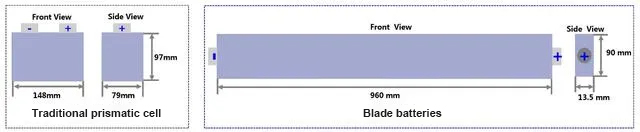
Presentata da BYD, la batteria Blade utilizza celle lunghe e sottili (960 mm di lunghezza, 13,5 mm di spessore, 90 mm di altezza) che ricordano delle lame, impiegando un metodo di impilamento interno anziché il tradizionale avvolgimento. Grazie all'utilizzo di adesivi strutturali per fissare le celle tra due strati di piastre di alluminio, le celle stesse fungono da elementi strutturali. Questo design imita i pannelli di alluminio a nido d'ape, eliminando completamente i moduli per ridurre il peso, i costi e massimizzare l'utilizzo dello spazio.
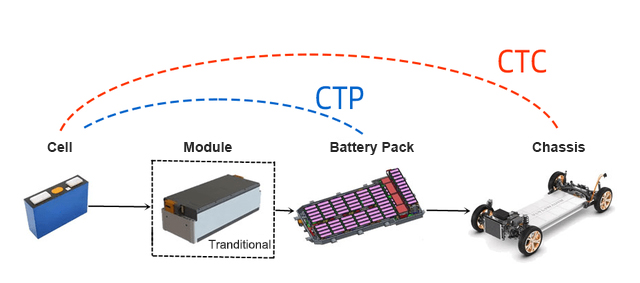
CTC (Cell to Chassis): la prossima evoluzione del CTP. Integra le celle della batteria direttamente nel telaio del veicolo, fondendo il coperchio della batteria con il pianale. I sedili possono essere montati direttamente sul pacco batterie. Il CTC supera i tradizionali limiti del PACK, consentendo una profonda integrazione di celle, telaio, motore, controllo elettronico e sistemi DC/DC per ottimizzare lo spazio, ridurre il consumo energetico e rendere i costi di produzione dei veicoli elettrici direttamente competitivi con quelli dei veicoli con motore a combustione interna.
Acey New Energy
fornisce attrezzature di produzione chiavi in mano e soluzioni di ingegneria complete per
linee di assemblaggio di pacchi batteria agli ioni di litio
, coprendo l'intero processo dalla cellula al confezionamento.
Supportiamo i clienti dalla pianificazione iniziale della fabbrica alla produzione finale, fornendo servizi completi che includono l'ottimizzazione del layout della linea, l'integrazione delle attrezzature,
impilamento dei moduli
saldatura laser di precisione, integrazione BMS e test finali delle prestazioni del pacco batterie.
I nostri sistemi privilegiano la praticità strutturale, la stabilità operativa e la facilità di manutenzione. Grazie all'utilizzo di apparecchiature standardizzate con configurazioni flessibili e modulari, consentiamo ai produttori di ridurre al minimo i tempi di installazione, mitigare i rischi di produzione e migliorare significativamente la coerenza tra cella e confezionamento.
ACEY dà il benvenuto ai partner globali e auspica di instaurare una collaborazione affidabile e a lungo termine su progetti di produzione di pacchi batteria.
703, 7F, Zhonghengji Building, No.223, Qishan North Road, Huli District, Xiamen, Fujian, China
E-mail : allen@xmacey.com
Tel : +8618950009155
Whatsapp : +8618950009155